Cardiovascular diseases remain the leading cause of death worldwide.
While conventional treatments such as medications, surgery, and lifestyle changes have saved millions of lives, science is moving toward regenerative solutions that address the root cause of heart damage. One of the most promising approaches is VSELs therapy.
In this article, we will explore the benefits of V Cell therapy for the heart, how it works, what research says, and why it could represent a turning point in preventing and treating heart disease.
What Is V Cell Therapy?
hVSELs therapy is a form of regenerative medicine that uses very small embryonic-like stem cells (VSELs) activated through advanced technologies to repair and regenerate damaged tissues. Unlike conventional stem cell therapies, VSELs therapy focuses on reprogramming the body’s own regenerative potential.
These cells have unique capabilities:
- They can differentiate into multiple types of tissue, including cardiac muscle cells.
- They have anti-inflammatory properties.
- They can stimulate natural repair mechanisms in the body.
Because of these traits, scientists and clinicians are paying increasing attention to the benefits of V Cell therapy for the heart in both prevention and recovery from cardiovascular conditions.
Why the Heart Needs Regeneration
The heart is a vital organ that works tirelessly, but unlike other tissues, it has limited ability to regenerate. After an injury such as a heart attack (myocardial infarction), large numbers of cells die and are replaced with scar tissue. This scar tissue does not contract like healthy muscle, which reduces the heart’s efficiency and can lead to chronic conditions like heart failure.
Current treatments aim to reduce symptoms or prevent progression, but they rarely restore lost heart tissue. According to the American Heart Association, long-term recovery remains a major challenge for patients. This is where regenerative therapies such as VSELs therapy bring hope.
Key Benefits of V Cell Therapy for the Heart
1. Cardiac Tissue Regeneration
One of the primary benefits of V Cell therapy for the heart is its ability to stimulate the growth of new cardiac muscle cells. Research published in the National Institutes of Health highlights how stem cell-based interventions show promise in regenerating damaged myocardium.
2. Improved Blood Flow
V Cell therapy may support the development of new blood vessels, a process known as angiogenesis. For patients with coronary artery disease, this could mean better oxygen supply to the heart muscle.
3. Reduction of Inflammation
Chronic inflammation is a driver of many cardiovascular diseases. hVSELs therapy shows promise in reducing inflammatory signals in the heart, protecting tissues from further damage. The Mayo Clinic points out that controlling inflammation is key to reducing cardiovascular risk.
4. Prevention of Heart Failure
By repairing damaged tissue early and restoring function, hVSELs therapy could reduce the risk of long-term complications like heart failure.
5. Support in Recovery After Heart Attack
Patients recovering from myocardial infarction often struggle with weakened heart function. One of the most studied benefits of V Cell therapy for the heart is helping improve recovery outcomes by minimizing scar formation and enhancing contractility.
How V Cell Therapy Works in Practice
Cell Activation
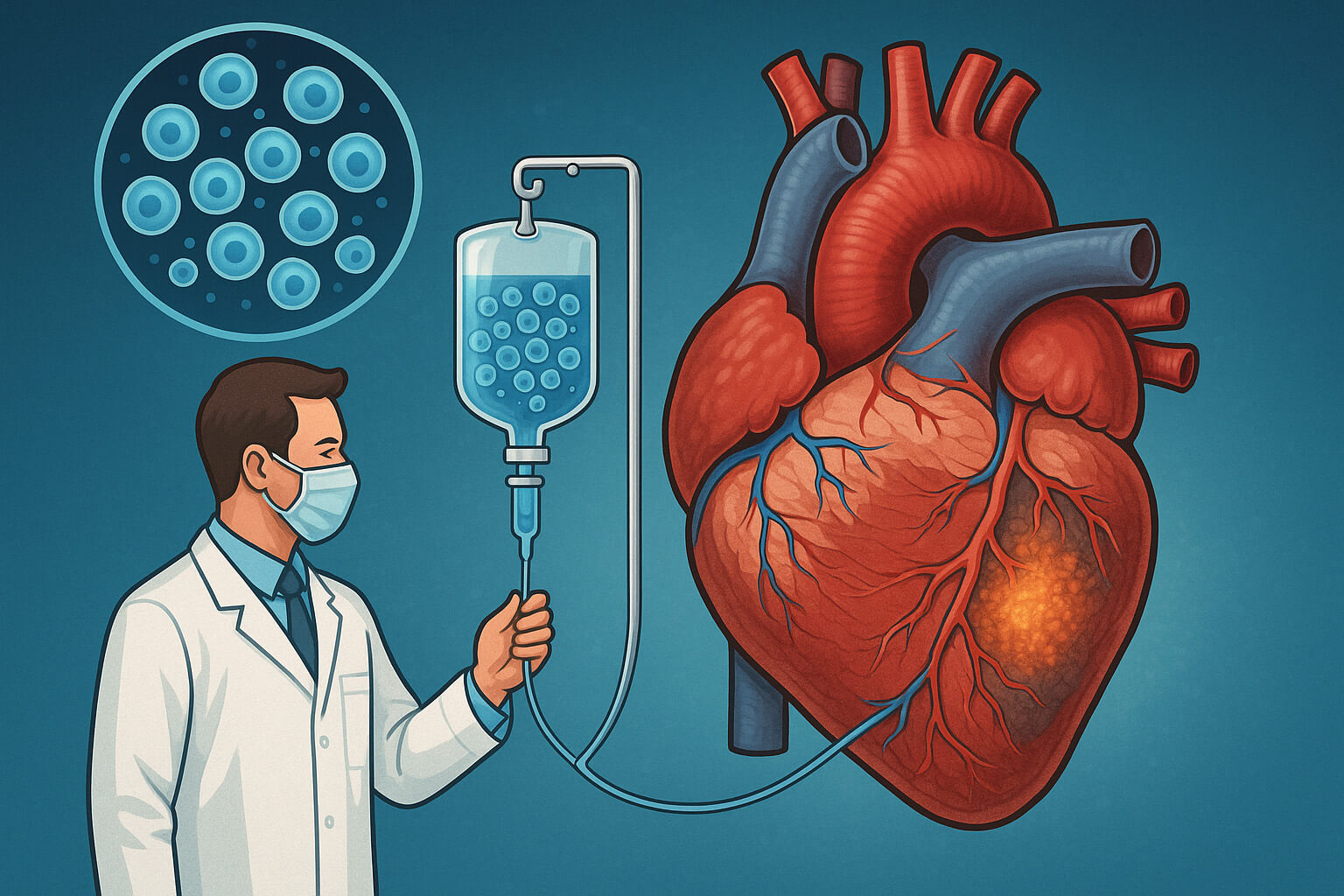
VSELs therapy involves stimulating the body’s own very small embryonic-like stem cells. Advanced methods, such as laser-based activation technologies, can “wake up” these dormant cells and direct them to areas of damage.
Repair Mechanisms
Once activated, V-cells travel through the bloodstream to the heart. There, they release growth factors, reduce inflammation, and in some cases transform into cardiac or vascular cells.
Integration With Standard Care
V-Cell therapy is not meant to replace medications or surgery immediately. Instead, it is being studied as a complementary option, aiming to improve results in patients who are already under conventional treatment.
What Research Says About V Cell Therapy
Several preclinical and clinical studies highlight the potential benefits of V Cell therapy for the heart. While research is still in early stages, findings include:
- Animal studies show improved heart function and reduced scar tissue after induced myocardial infarction.
- Preliminary human trials suggest enhanced cardiac output, improved quality of life, and fewer hospitalizations for heart failure patients.
- Laboratory evidence confirms that VSELs can differentiate into cardiomyocytes and vascular cells, supporting their role in repair (European Society of Cardiology).
Although these results are encouraging, experts agree that larger clinical trials are necessary to confirm safety, efficacy, and long-term outcomes.
Comparing hVSELs Therapy to Traditional Treatments
Traditional cardiovascular treatments—such as medications, stents, or bypass surgery—focus mainly on reducing symptoms, lowering risk factors, or restoring blood flow. However, they do not reverse existing tissue damage.
By contrast, the benefits of V Cell therapy for the heart lie in its regenerative potential. Instead of only controlling the disease, V-Cell therapy aims to repair and restore cardiac tissue, a goal that conventional treatments cannot achieve.
Who Could Benefit From V Cell Therapy?
- Patients with coronary artery disease who want to improve blood flow.
- Individuals recovering from a heart attack looking to minimize long-term damage.
- People with early-stage heart failure seeking to preserve heart function.
- High-risk patients who need preventive strategies for cardiovascular disease.
Risks and Considerations
Like any medical treatment, hVSELs therapy is not free of challenges. Potential risks may include:
- Limited availability of large-scale clinical data.
- Unknown long-term safety effects.
- Possible variations in effectiveness depending on patient condition.
The U.S. Food and Drug Administration emphasizes that regenerative therapies are still experimental and require strict evaluation before wide clinical adoption. That said, ongoing research continues to refine protocols to ensure safety and maximize the benefits of V Cell therapy for the heart.
The Future of Regenerative Cardiology
Cardiovascular medicine is entering a new phase. The ability to harness the body’s natural regenerative capacity could transform how we view heart disease. Instead of managing decline, therapies like VSELs offer the possibility of restoring vitality and function.
The next decade will likely see expanded clinical trials, regulatory evaluations, and possibly integration into mainstream cardiology.
According to the World Health Organization, innovative therapies will play a crucial role in addressing the global burden of cardiovascular disease.
The benefits of V Cell therapy for the heart extend beyond symptom relief, offering real potential for tissue regeneration, improved blood flow, reduced inflammation, and better recovery after cardiac events.
While research is ongoing, early results are promising and suggest that regenerative medicine could become a powerful ally in the fight against cardiovascular disease.
For patients and doctors alike, VSELs therapy represents a beacon of hope—a step closer to a future where heart disease is not just treated, but truly healed.
At Xtend, we are committed to bringing the future of regenerative medicine closer to patients today. Our expertise in advanced cellular therapies, including innovative VSELs protocols, is designed to support cardiovascular health and promote true healing from within.
Interested in VSEL-Based Treatments?
Request a Personalized Consultation