Chronic pain and persistent inflammation are among the most common reasons people seek alternative therapies.
While many solutions focus on temporary relief, an increasing number of individuals are looking for approaches that support true tissue recovery and long-term functional improvement.
This is where red light therapy for pain has gained attention.
Backed by growing scientific interest, this therapy is not only used for symptom relief but also for influencing cellular processes involved in healing and regeneration.
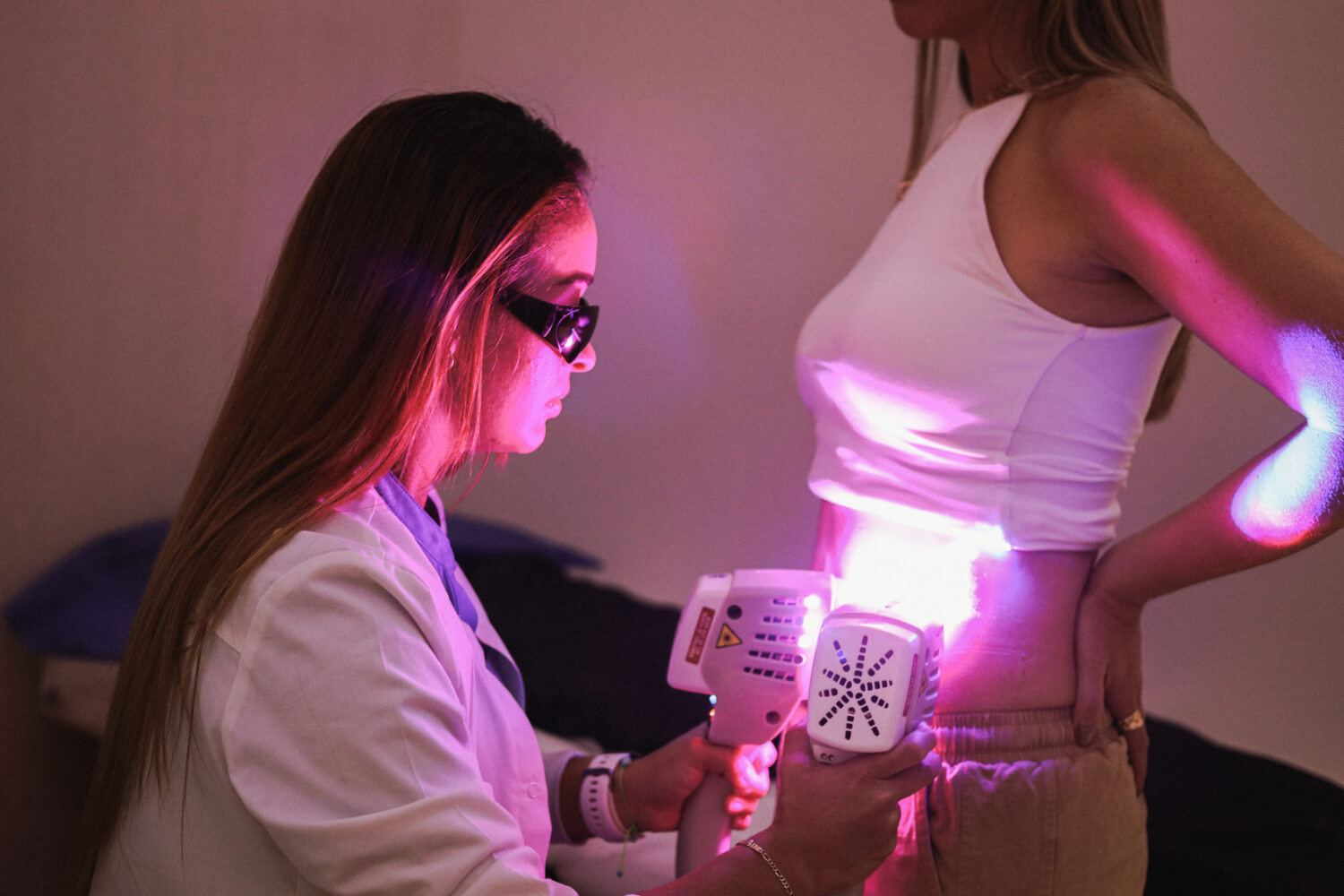
At Xtend Optimal Health, this approach is taken further with Firefly Light Therapy, a multispectral photobiomodulation technology designed to support recovery, reduce inflammation, and optimize overall wellness.
What Is Red Light Therapy for Pain?
Red light therapy for pain is a non-invasive treatment that uses specific wavelengths of red and near-infrared light to interact with biological tissues.
This process, known as photobiomodulation, influences cellular activity—particularly at the mitochondrial level.
Unlike treatments that mask pain signals, this therapy aims to support the body’s natural repair mechanisms by enhancing cellular energy and reducing oxidative stress.
The result is not only pain modulation, but also improved tissue function and recovery over time.
How Does Red Light Therapy Work at the Cellular Level?
The effectiveness of red light therapy for pain is largely explained by its interaction with mitochondria, often referred to as the “powerhouses” of the cell.
When light photons penetrate the skin and underlying tissues, they:
- Stimulate mitochondrial activity
- Increase ATP (adenosine triphosphate) production
- Modulate oxidative stress
- Promote nitric oxide release
This cascade of biological effects plays a key role in improving circulation, reducing inflammation, and supporting tissue repair.
Firefly technology builds on this mechanism by delivering multispectral light, allowing deeper and more efficient tissue penetration compared to traditional single-wavelength systems.
The Role of ATP, Nitric Oxide, and Microcirculation
One of the key benefits of red light therapy for pain is its ability to enhance cellular energy production.
ATP Production
ATP is essential for cellular repair and regeneration. Increased ATP levels enable cells to function more efficiently, especially in damaged or inflamed tissues.
Nitric Oxide Release
Nitric oxide is a signaling molecule associated with vasodilation, which improves blood flow and oxygen delivery to tissues.
Improved Microcirculation
Enhanced circulation helps remove inflammatory mediators and metabolic waste, creating an environment more favorable for healing.
These mechanisms explain why red light therapy is increasingly used for conditions involving inflammation, muscle fatigue, and tissue damage.
Firefly Light Therapy: A Next-Generation Approach
Firefly represents an advanced evolution of red light therapy for pain, integrating multispectral photobiomodulation to enhance biological impact.
At Xtend Optimal Health, Firefly is positioned as a solution not only for symptom relief, but for supporting deeper physiological recovery.
According to its technical framework, Firefly delivers broad-spectrum light (photons) that penetrates deeply into tissues, activating mitochondria to increase ATP production, modulating oxidative stress, and stimulating nitric oxide release to support improved circulation.
This combination supports:
- Reduction of inflammation
- Improved lymphatic and blood circulation
- Activation of the nervous and immune systems
- Release of endorphins associated with relaxation and well-being
Rather than focusing only on pain suppression, Firefly aims to optimize the biological environment for recovery.
Red Light Therapy for Musculoskeletal Pain and Recovery
One of the most common applications of red light therapy for pain is in musculoskeletal conditions.
Muscle Recovery
By increasing ATP production, the therapy helps repair microtears and reduce post-exercise recovery time.
Joint Pain and Inflammation
The modulation of inflammatory pathways can support individuals dealing with joint stiffness or chronic inflammation.
Tendon and Ligament Support
Photobiomodulation has been associated with increased fibroblast activity and collagen synthesis, which are important for tissue strength and elasticity.
Mobility Improvement
Improved circulation and reduced stiffness contribute to better range of motion and functional performance.
The Gut-Brain Axis and Systemic Effects
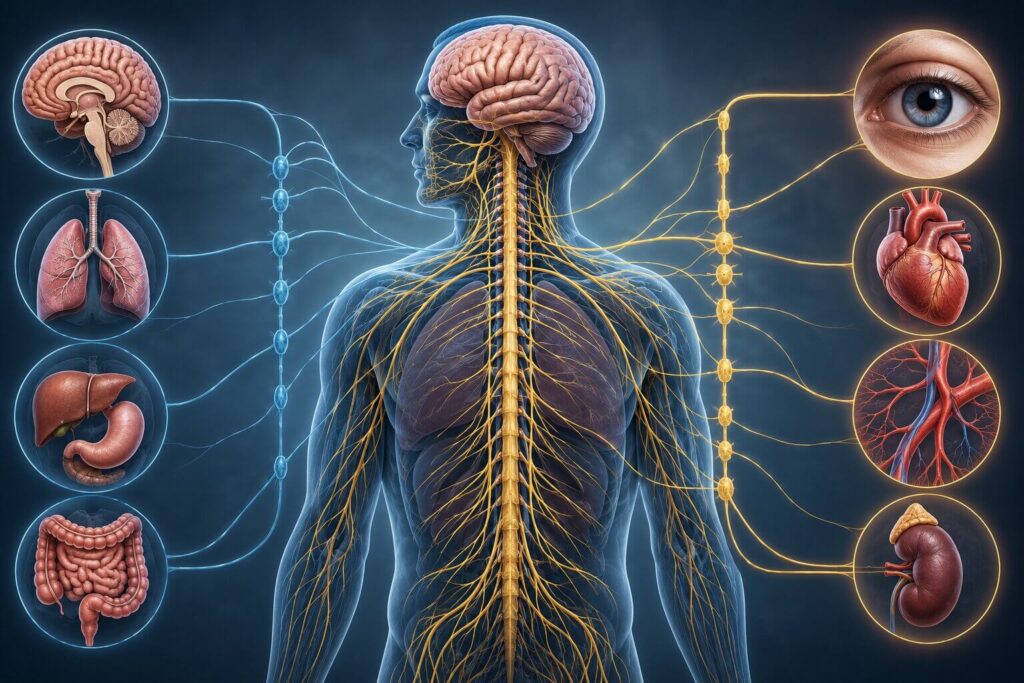
A unique aspect of Firefly is its potential influence on the gut-brain axis, a system that connects intestinal function with neurological and emotional health.
The therapy may support:
- Improved gut microbiome balance
- Reduction of intestinal inflammation
- Regeneration of intestinal mucosa
- Stimulation of the vagus nerve
These effects contribute to better digestion, reduced systemic inflammation, and improved communication between the nervous and immune systems.
This broader impact positions red light therapy beyond localized pain relief, extending into systemic wellness optimization.
FAQs
How does red light therapy work to reduce joint pain?
Red light therapy reduces joint pain by penetrating tissues and stimulating mitochondrial activity, which increases ATP production. This process helps reduce inflammation, improve circulation, and support tissue repair, leading to improved joint function and reduced discomfort.
Best red light therapy devices for pain relief
The best devices typically use clinically relevant wavelengths in the red and near-infrared spectrum and provide sufficient power output for tissue penetration. Advanced systems like multispectral platforms (such as Firefly) are designed to enhance biological effects by targeting multiple pathways simultaneously.
Is Red Light Therapy Safe?
One of the advantages of red light therapy for pain is its safety profile when used appropriately.
- It does not emit ionizing radiation or X-rays
- It does not require invasive procedures
- Most patients report only a mild warming sensation
However, certain precautions apply. It is recommended to avoid use over areas with active cancer or infections, as well as direct exposure to the eyes, which is why protective eyewear is advised during sessions.
Additionally, individuals who are pregnant should consult with a healthcare professional before undergoing treatment.
Can red light therapy help with arthritis pain?
Red light therapy may help manage arthritis-related discomfort by modulating inflammatory processes and improving circulation. While it is not a cure, it can support symptom reduction and improve joint mobility when used as part of a broader care plan.
Scientific evidence supporting red light therapy for neuropathic pain
Research on photobiomodulation suggests potential benefits for neuropathic pain through mechanisms such as reduced oxidative stress, improved mitochondrial function, and modulation of nerve signaling pathways. While more large-scale studies are needed, existing literature indicates promising results in specific clinical contexts.
How Many Sessions Are Recommended?
The number of sessions varies depending on several factors, including the condition being treated, its severity and level of chronicity, as well as the individual response of each person to the therapy.
In many cases, an initial series of 6 sessions is recommended to evaluate progress, followed by adjustments based on results.
Are There Side Effects?
Side effects are rare. In some cases, individuals may experience:
- Mild dizziness
- Temporary increase in circulation-related sensations
- Slight discomfort in sensitive areas
In abdominal or intestinal applications, there may be temporary increases in bowel activity due to vagus nerve stimulation.
Overall, the therapy is generally well tolerated.
With technologies like Firefly Light Therapy available at Xtend Optimal Health, this modality is evolving into a more advanced and integrative tool for pain management, inflammation modulation, tissue recovery, and overall systemic wellness.
For individuals seeking a non-invasive option that aligns with the body’s natural processes, photobiomodulation offers a compelling and scientifically grounded alternative.