Intervertebral disc degeneration is one of the most common structural contributors to chronic low back pain and functional disability worldwide.
As populations age and sedentary lifestyles become more prevalent, degenerative changes affecting the intervertebral discs are increasingly recognized as a significant medical and socioeconomic challenge.
Conventional management strategies—ranging from conservative care to spinal fusion surgery—primarily aim to reduce symptoms rather than address the underlying biological deterioration of disc tissue.
In recent years, regenerative medicine has emerged as an area of growing scientific interest, particularly for tissues with limited intrinsic healing capacity, such as the intervertebral disc.
Among investigational approaches, laser-assisted regenerative therapies have gained attention for their potential role in cellular activation and tissue repair.
This article explores why the intervertebral disc is considered a strategic target for regenerative therapies, with a specific focus on laser-based approaches and insights drawn from a recently published case report on the SONG Laser Protocol applied to multilevel intervertebral disc degeneration.
Understanding Intervertebral Disc Degeneration
The Biological Complexity of the Intervertebral Disc
The intervertebral disc is a specialized fibrocartilaginous structure located between adjacent vertebral bodies.
Its primary function is mechanical: to absorb axial loads, allow spinal flexibility, and distribute forces during movement. Structurally, the disc consists of three main components:
- Nucleus pulposus, a hydrated gel rich in proteoglycans
- Annulus fibrosus, a fibrous collagenous ring providing tensile strength
- Cartilaginous endplates, which regulate nutrient diffusion
Unlike many other tissues, the intervertebral disc is largely avascular, relying on passive diffusion for nutrient and waste exchange.
This unique biology makes the disc particularly vulnerable to degenerative processes and severely limits its regenerative capacity.
What Happens in Intervertebral Disc Degeneration
Intervertebral disc degeneration is characterized by progressive structural and biochemical changes, including:
- Loss of proteoglycan content
- Reduced water retention (disc desiccation)
- Decreased disc height
- Altered mechanical properties
- Increased susceptibility to herniation and annular fissures
These changes disrupt spinal biomechanics and may contribute to pain, nerve compression, and reduced mobility.
Importantly, disc degeneration is not an isolated phenomenon but often affects multiple spinal levels, further complicating management strategies.
Why the Intervertebral Disc Is a Target for Regenerative Medicine
Limited Natural Healing Capacity
One of the defining challenges of intervertebral disc degeneration is the disc’s poor intrinsic healing ability.
The absence of direct blood supply restricts the delivery of reparative cells and bioactive molecules, making spontaneous regeneration unlikely once degeneration is established.
This biological limitation has driven research into regenerative medicine strategies designed to:
- Restore disc hydration
- Support extracellular matrix synthesis
- Improve disc height and structural integrity
- Modulate inflammatory microenvironments
Structural Metrics That Can Be Objectively Measured
Another reason the intervertebral disc is a focus of regenerative research is the availability of quantifiable imaging and functional metrics, such as:
- Disc height measured on MRI
- Herniation size and morphology
- Alignment changes (lordosis, scoliosis)
- Functional indices such as the Oswestry Disability Index (ODI)
These parameters allow researchers to objectively evaluate structural and functional changes following investigational therapies, as demonstrated in recent clinical case reports.
Laser-Based Regenerative Therapies: A Scientific Rationale
Photobiomodulation and Cellular Activation
Laser-based regenerative approaches are grounded in the concept of photobiomodulation, where specific wavelengths of light interact with cellular photoreceptors to influence biological activity. Preclinical and translational studies suggest that modulated laser energy may affect:
- Cellular metabolism
- Mitochondrial activity
- Signaling pathways involved in tissue repair
When combined with autologous biologics, laser-based methods are being investigated as tools to enhance cellular responsiveness in regenerative contexts.
Laser-Assisted Activation of Autologous Cells
Within regenerative medicine research, there is increasing interest in laser-assisted activation of autologous cell populations, particularly those with pluripotent or progenitor-like characteristics.
Human very small embryonic-like (hVSEL) stem cells represent one such population currently under investigation.
Laboratory and clinical studies have explored how laser modulation may influence the behavior of these cells when used in conjunction with platelet-rich plasma (PRP), creating a biologically active environment tailored to tissue repair.
The SONG Laser Protocol and Intervertebral Disc Degeneratio
Overview of the Published Case Report
In 2026, a peer-reviewed case report titled “The SONG laser protocol and multilevel degenerative disk disease” was published in the Journal of Stem Cell Research & Therapeutics.
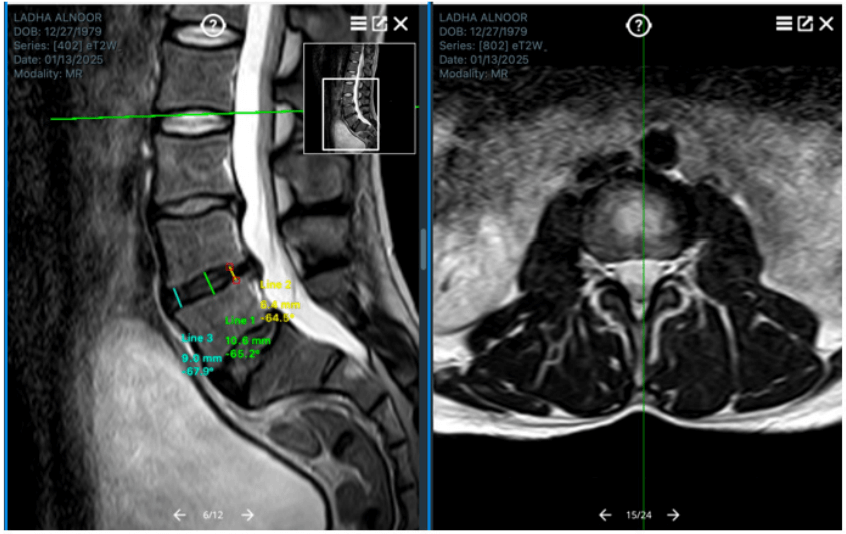
The report documented the clinical course of a 43-year-old male with severe multilevel intervertebral disc degeneration affecting L3–L4 and L4–L5.
Key pre-treatment findings included:
- Significant disc herniation
- Disc desiccation across multiple levels
- Reduced disc height
- Severe functional impairment, reflected by an ODI score of 70%
After declining surgical spinal fusion, the patient underwent an investigational regenerative approach incorporating the SONG Laser Protocol.
Application of the SONG Laser Protocol
The therapeutic strategy involved:
- Localized intradiscal injections of autologous hVSEL stem cells
- Activation of PRP using a modulated red laser
- Targeted laser exposure applied to disc spaces and lumbar regions
The protocol was delivered in two treatment rounds, following a preparatory phase designed to optimize systemic conditions prior to intervention.
Observed Structural and Functional Outcomes
Post-treatment evaluation revealed measurable changes, including:
- Increased intervertebral disc height (approximately 20–25%)
- Reduction in herniation dimensions on MRI
- Improved spinal alignment
- Substantial functional improvement, with ODI scores decreasing from 70% to 20%
While the authors emphasized that these findings represent observations from a single case, the results highlight why the intervertebral disc is considered a compelling target for regenerative research.
Why Laser-Based Regenerative Approaches Are Being Studied for Disc Degeneration
Addressing the Disc’s Unique Biological Challenges
The case report underscores several reasons laser-based regenerative approaches are being explored in intervertebral disc degeneration:
- The need for minimally invasive strategies
- The challenge of delivering biological signals to avascular tissue
- The importance of modulating cellular environments rather than replacing structures
Laser-assisted protocols are being studied as potential tools to influence these variables without the biomechanical disruption associated with surgery.
A Platform for Further Clinical Investigation
Importantly, the authors of the SONG Laser Protocol case report clearly state that larger-scale, randomized controlled trials are required to validate efficacy and reproducibility.
Nevertheless, the documented changes in disc height and MRI findings provide a scientific rationale for continued investigation into laser-based regenerative therapies targeting disc degeneration.
Intervertebral disc degeneration remains a complex condition with limited restorative treatment options.
The biological characteristics of the disc—particularly its avascular nature and poor regenerative capacity—make it an important focus for emerging regenerative medicine research.
Laser-based regenerative approaches, including the SONG Laser Protocol, are being explored as investigational strategies to address these challenges by modulating cellular activity and supporting tissue-level changes.
Insights from published clinical case reports contribute to a growing body of evidence guiding future research directions.
As regenerative medicine continues to evolve, the intervertebral disc stands out as a tissue where innovative, biology-driven approaches may reshape how degenerative conditions are studied and managed.
know more here