The relationship between depression and gut health has become a major focus for scientists and health experts in recent years. New research reveals that your gut is more than just a digestive organ — it plays a crucial role in mental health, emotional regulation, and overall well-being.
In this article, we will explore how a damaged gut can contribute to depression, the science behind the gut-brain connection, and effective ways to restore gut health.
Depression and Gut Health: What is the Gut-Brain Connection?
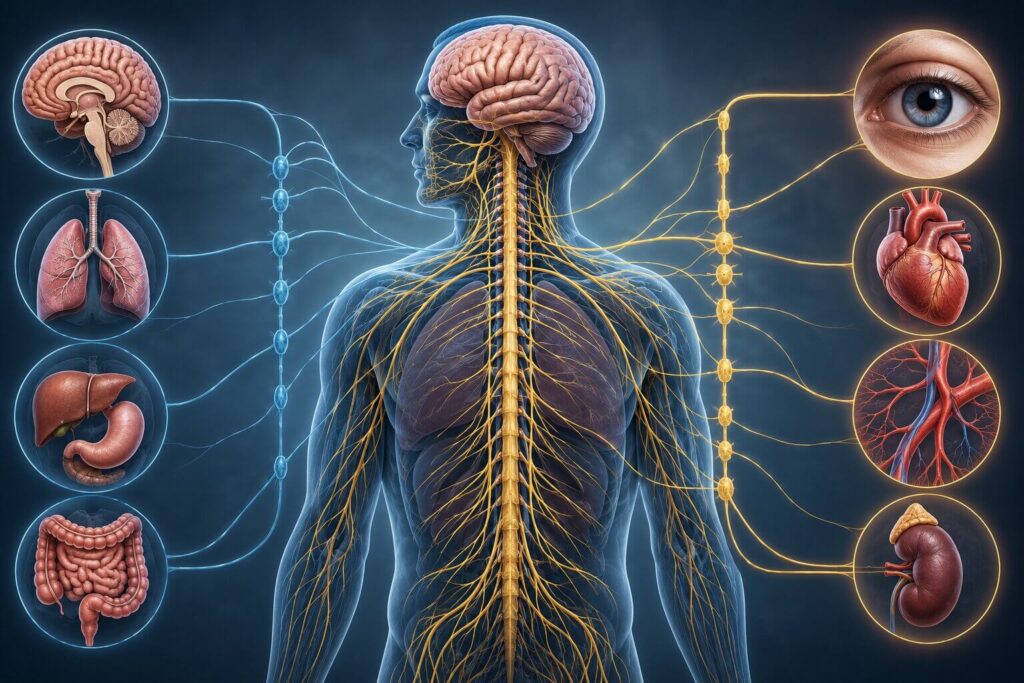
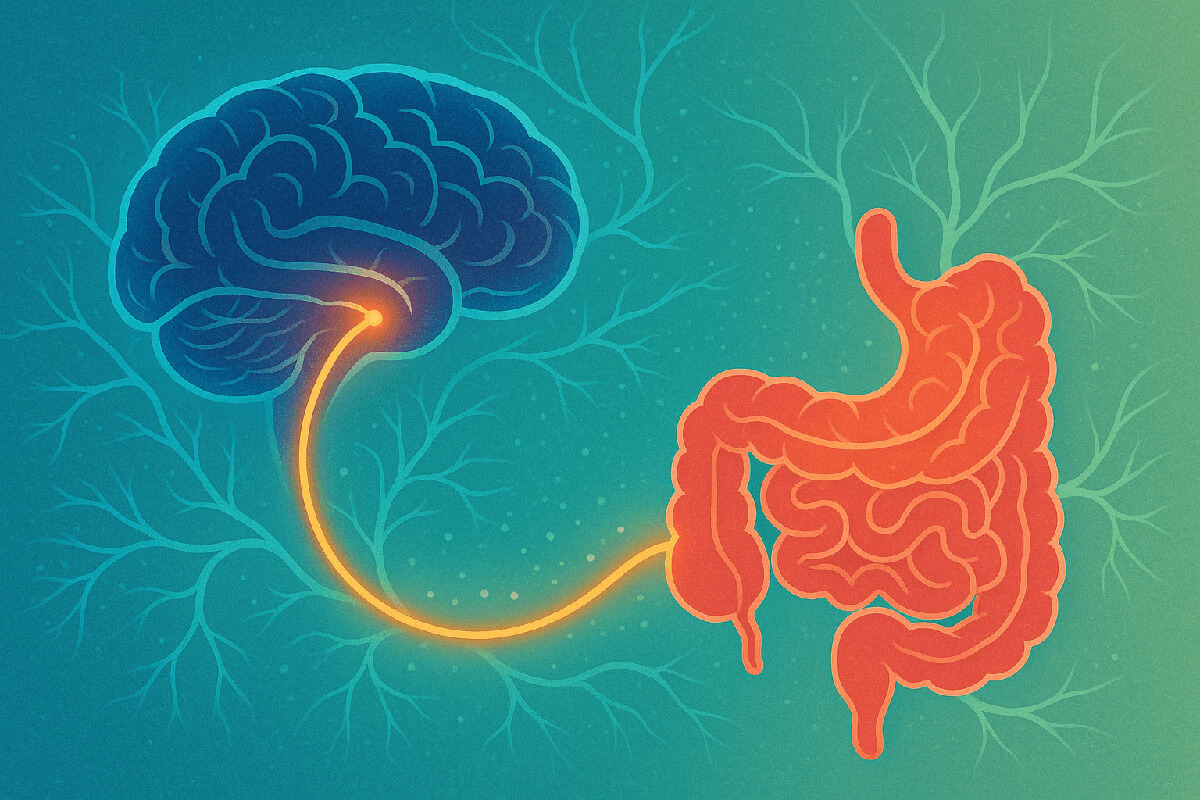
The gut-brain axis refers to the complex communication system between your gastrointestinal tract and your central nervous system. This bidirectional link involves the vagus nerve, hormones, immune responses, and gut microbiota — the trillions of bacteria and microorganisms residing in your digestive system.
According to Harvard Medical School, “a troubled intestine can send signals to the brain, just as a troubled brain can send signals to the gut,” which explains why gut health issues often coincide with mood disorders like anxiety and depression.
How Depression and Gut Health Are Linked Through a Damaged Gut
When the gut lining becomes compromised — a condition commonly referred to as “leaky gut” — it allows bacteria, toxins, and undigested food particles to enter the bloodstream. This triggers systemic inflammation, which has been strongly linked to mental health disorders, including depression.
A 2020 study published in Frontiers in Psychiatry highlighted that “alterations in gut microbiota composition and increased intestinal permeability are associated with major depressive disorder”.
Increased inflammation can interfere with the production of neurotransmitters like serotonin, often called the “happy chemical,” which is predominantly produced in the gut. Disruptions in serotonin levels are a well-documented contributor to depression.
Depression and Gut Health: Signs Your Gut May Be Affecting Your Mood
If you experience the following symptoms, your gut health might be playing a role in your emotional state:
- Persistent anxiety or depression
- Brain fog or difficulty concentrating
- Chronic fatigue
- Bloating, gas, or digestive discomfort
- Food intolerances or sensitivities
- Frequent infections or weakened immunity
Depression and Gut Health: How to Repair a Damaged Gut Naturally
Fortunately, improving gut health can significantly impact your mental well-being. Here are some science-backed strategies:
1. Focus on Anti-Inflammatory Nutrition
A diet rich in whole foods, fiber, and anti-inflammatory ingredients can help reduce gut inflammation and support microbiome diversity. Include:
- Probiotic-rich foods (yogurt, kefir, sauerkraut)
- Prebiotic foods (garlic, onions, bananas, oats)
- Omega-3 fatty acids (found in fatty fish, chia seeds)
2. Take Quality Probiotics and Supplements
Numerous studies support the use of probiotics to improve gut health and mood. A systematic review published in Nutrients found that probiotics “may alleviate depressive symptoms by modulating gut microbiota”.
XtendCells.com offers targeted wellness solutions, including gut health programs and supplement protocols, designed to help rebalance your microbiome and enhance mental clarity.
3. Manage Stress Effectively
Chronic stress negatively impacts both gut function and emotional health. Stress management techniques include:
- Mindfulness meditation
- Deep breathing exercises
- Physical activity
- Therapy or counseling services
4. Address Underlying Infections or Food Sensitivities
Hidden infections like candida overgrowth or untreated food intolerances can contribute to gut inflammation. Working with health experts, can help identify and address these root causes through advanced testing and personalized protocols.
Other Services that can help you
There are advanced programs are designed to address key factors contributing to leaky gut, strengthen intestinal health, and improve gut-brain communication.
1. BioCharger – Cellular Energy Optimization
While not acting directly on the gut, BioCharger technology enhances cellular energy and regeneration, accelerating tissue repair — including intestinal mucosal healing. Boosted immune function and detoxification support a reduction in inflammation commonly linked to leaky gut.
2. hVSEL Stem Cells + S.O.N.G. Laser (Deep Regeneration)
The combination of Very Small Embryonic-Like (VSEL) stem cells with S.O.N.G. Laser therapy promotes regeneration of damaged tissues, including the compromised gut lining seen in leaky gut syndrome. Activated stem cells help modulate inflammation, promote epithelial repair, and support systemic balance.
3. Ozone Therapy – EBOO (Deep Oxygenation and Detox)
EBOO (Extracorporeal Blood Oxygenation and Ozonation) enhances oxygen delivery and eliminates toxins, addressing two key drivers of leaky gut: internal toxicity and chronic inflammation. Scientific evidence suggests medical ozone has anti-inflammatory and antimicrobial effects, supporting gut barrier integrity and reducing dysbiosis.
4. Molecular Hydrogen Therapy
Molecular hydrogen is a powerful antioxidant that easily crosses cell membranes, including the intestinal barrier and the blood-brain barrier. It reduces oxidative stress and systemic inflammation, two critical contributors to leaky gut and gut-brain axis dysfunction.
XtendCells.com combines these therapies with expert assessments to create a personalized approach for improving both depression and gut health.
Your Gut Health Matters for Your Mind
The connection between depression and gut health is undeniable. By understanding the gut-brain axis and taking proactive steps to heal your digestive system, you can positively influence your mood, reduce symptoms of depression, and enhance your overall quality of life.
If you’re ready to take control of your mental and gut health, consider exploring the personalized wellness services at XtendCells.com, where expert guidance meets science-based regenerative therapies for lasting well-being.