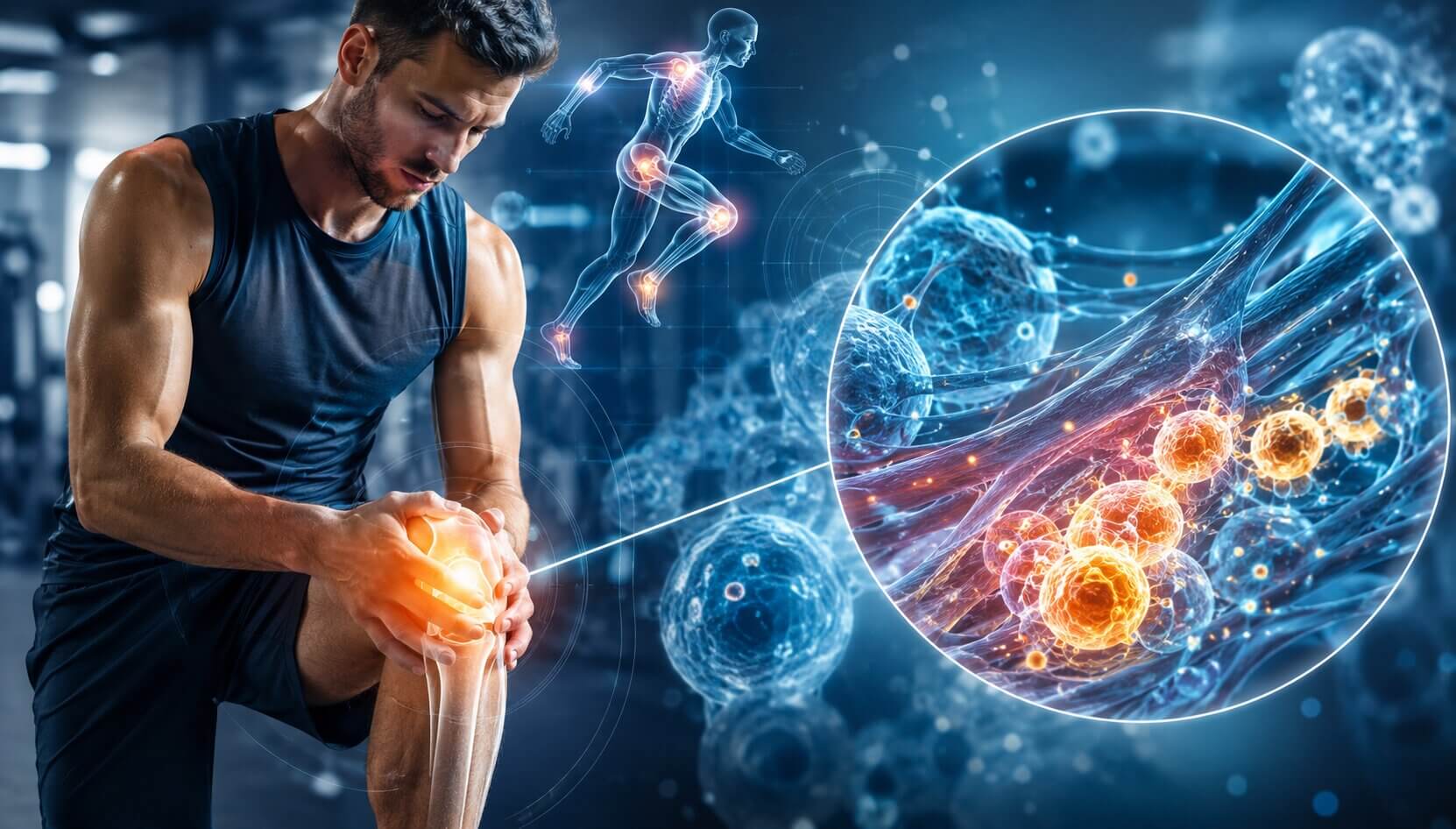
If you’ve been exploring advanced recovery or looking into newer approaches within regenerative medicine, you’ve probably come across the term BPC 157 peptide.
It’s one of those compounds that keeps appearing in conversations around healing, performance, and tissue support.
Not because it’s fully understood, but because of the growing interest around what it might represent in the future of medicine.
Some sources exaggerate its potential. Others dismiss it too quickly. But when you take a step back and look at the research objectively, the BPC 157 peptide becomes something much more interesting: an emerging area of scientific exploration that is still being defined.
In markets like Panama, this growing interest has also started to translate into specialized medical approaches, with centers such as Xtend Center positioning themselves among the pioneers in exploring peptide-based strategies within regenerative medicine.
What Is BPC 157 Peptide?
The BPC 157 peptide, short for Body Protection Compound 157, is a synthetic peptide derived from a protein originally identified in human gastric juice.
To put it simply, peptides are short chains of amino acids that act as signaling molecules in the body.
They help regulate how cells respond, repair, and adapt to stress or injury.
What has made BPC 157 stand out in research is its observed interaction with biological processes involved in recovery.
Preclinical studies have explored its relationship with tissue repair, cellular protection mechanisms, the formation of new blood vessels, and gastrointestinal integrity—all of which are key to how the body maintains and restores function over time.
Why Is the BPC 157 Peptide Getting So Much Attention?
The rise of the BPC 157 peptide is closely tied to a broader shift in how people approach health and recovery.
More individuals are looking beyond conventional solutions and exploring ways to support their bodies in a more targeted and proactive way.
In that context, BPC 157 peptide has started to stand out—not as a proven solution, but as something that keeps appearing in research related to healing and adaptation.
Interest has grown especially among those focused on recovery from physical stress, whether that comes from training, injury, or general wear and tear.
At the same time, discussions around gut health and systemic resilience have also contributed to its visibility.
This growing interest is not only visible in global research and online discussions, but also in how certain clinics are beginning to structure peptide-based approaches in a more formal way.
In Panama, Xtend Center has become part of this movement, focusing on integrating compounds like BPC 157 within a broader regenerative and personalized health framework.
This combination has placed BPC 157 in a unique position: widely discussed, actively researched, and still not fully understood.
What Does the Science Actually Say?
When looking at the BPC 157 peptide, it’s important to separate speculation from evidence.
Most of what we know today comes from preclinical research, particularly studies conducted in animal models and laboratory settings.
While this doesn’t provide definitive answers for humans, it does offer insight into why the compound continues to be studied.
Research published in journals such as Peptides and Journal of Orthopaedic Research has explored how BPC 157 interacts with tissue healing processes.
In these models, it has been associated with improved recovery responses in structures like tendons, ligaments, and muscle tissue.
In addition to this, studies have examined its influence on blood vessel formation. This is a critical factor in recovery, since tissues depend on oxygen and nutrient delivery to repair effectively.
The peptide has been linked to pathways involving vascular endothelial growth factor (VEGF), which plays a central role in angiogenesis.
There is also a body of research connected to the digestive system. Publications like Digestive Diseases and Sciences have explored how BPC 157 may support the integrity of the gastric lining and intestinal tissue in experimental conditions.
This is one of the reasons behind its name, “Body Protection Compound.”
Human Evidence: Where Things Stand Today
This is where a lot of confusion tends to happen.
As of today, there are no large-scale, well-established human clinical trials confirming the effectiveness of the BPC 157 peptide.
Most of the available data comes from animal studies and laboratory research, which means its effects in humans are still not clearly defined or validated.
However, this doesn’t mean the compound lacks relevance. What makes it stand out is the consistency of findings across different areas of preclinical research, which is why it continues to attract attention within regenerative medicine.
Organizations such as the U.S. Food and Drug Administration (FDA) have not approved BPC 157 for clinical use, reinforcing the idea that it should be approached with proper context and medical guidance.
Why Is There So Much Conflicting Information?
If you search for the BPC 157 peptide, you’ll quickly notice how polarized the information is.
On one side, there are bold claims that go far beyond what current research supports. On the other, there are overly skeptical views that ignore the growing body of preclinical evidence.
The reality is that both extremes miss the point.
Scientific research follows a structured path, moving from early-stage laboratory studies to human trials and eventually clinical application.
BPC 157 is still in the earlier phases of that process, which means it should be understood as part of an evolving field—not as a finished solution.
How Does BPC 157 Peptide Work? (What Research Suggests)
While the full picture is still developing, current research suggests that the BPC 157 peptide may interact with several biological systems involved in recovery and adaptation.
It appears to have a relationship with nitric oxide signaling, which is important for circulation and inflammatory balance.
There are also indications that it may influence growth factor activity, particularly in pathways related to tissue repair.
Additionally, experimental studies have observed cellular protective effects in environments where tissues are exposed to stress or damage.
These findings help explain why the peptide continues to be explored in the context of healing and resilience.
Where Does BPC 157 Fit Within Regenerative Medicine?
To understand the BPC 157 peptide properly, you have to place it within the bigger picture.
Regenerative medicine is not built around a single compound. It’s an evolving field that includes different strategies designed to support the body’s natural repair mechanisms.
These may include:
- Stem cell-based approaches
- Platelet-rich plasma (PRP)
- Growth factor therapies
- Advanced biologics
Within this landscape, BPC 157 is better understood as part of an ongoing exploration into how recovery processes can be supported at a deeper level.
Clinics working within this field are increasingly integrating peptide-based approaches as part of comprehensive strategies.
Is BPC 157 Peptide Safe?
One of the most common questions around the BPC 157 peptide is related to safety.
At this stage, there is no definitive answer. The lack of large-scale human studies means that its safety profile is not fully established.
While preclinical research has not shown significant toxicity, this does not automatically translate into confirmed safety in humans.
There are currently no standardized protocols, and organizations like the FDA and World Health Organization (WHO) have not issued guidelines for its use.
This is why any consideration of compounds like BPC 157 should be approached within a structured and medically supervised framework.
Frequently Asked Questions (FAQ)
What is BPC 157 peptide?
It is a synthetic peptide studied for its potential role in biological processes related to healing and cellular protection, mainly in preclinical research.
Why is BPC 157 so popular?
Because of its association with recovery, tissue support, and regenerative pathways observed in early-stage studies.
Is BPC 157 safe?
Its safety in humans has not been fully established due to limited clinical research.
Understanding BPC 157 the Right Way
The BPC 157 peptide is not a miracle solution, but it’s also not something to dismiss.
It represents a growing area of interest within regenerative science—one that is still being studied, refined, and understood.
For those exploring advanced recovery or looking into next-generation approaches, it’s a topic worth understanding with the right perspective: grounded in science, free from hype, and guided by proper expertise.
At Xtend Center, we understand that exploring compounds like the BPC 157 peptide is not about following trends—it’s about making informed decisions.
As one of the centers in Panama focused on peptide-based strategies and regenerative medicine, our approach is centered on helping you understand how these emerging tools may fit into a personalized plan, based on your goals, your physiology, and current scientific evidence.
If you’re looking to explore regenerative options with clarity and guidance, our team is here to support you with a structured and professional approach.
BPC 157 Peptide: What It Is, How It Works, and Why It’s Gaining Attention in Regenerative Medicine
If you’ve been exploring advanced recovery or looking into newer approaches within regenerative medicine, you’ve probably come across the term BPC 157 peptide.
It’s one of those compounds that keeps appearing in conversations around healing, performance, and tissue support.
Not because it’s fully understood, but because of the growing interest around what it might represent in the future of medicine.
Some sources exaggerate its potential. Others dismiss it too quickly. But when you take a step back and look at the research objectively, the BPC 157 peptide becomes something much more interesting: an emerging area of scientific exploration that is still being defined.
In markets like Panama, this growing interest has also started to translate into specialized medical approaches, with centers such as Xtend Center positioning themselves among the pioneers in exploring peptide-based strategies within regenerative medicine.
What Is BPC 157 Peptide?
The BPC 157 peptide, short for Body Protection Compound 157, is a synthetic peptide derived from a protein originally identified in human gastric juice.
To put it simply, peptides are short chains of amino acids that act as signaling molecules in the body.
They help regulate how cells respond, repair, and adapt to stress or injury.
What has made BPC 157 stand out in research is its observed interaction with biological processes involved in recovery.
Preclinical studies have explored its relationship with tissue repair, cellular protection mechanisms, the formation of new blood vessels, and gastrointestinal integrity—all of which are key to how the body maintains and restores function over time.
Why Is the BPC 157 Peptide Getting So Much Attention?
The rise of the BPC 157 peptide is closely tied to a broader shift in how people approach health and recovery.
More individuals are looking beyond conventional solutions and exploring ways to support their bodies in a more targeted and proactive way.
In that context, BPC 157 peptide has started to stand out—not as a proven solution, but as something that keeps appearing in research related to healing and adaptation.
Interest has grown especially among those focused on recovery from physical stress, whether that comes from training, injury, or general wear and tear.
At the same time, discussions around gut health and systemic resilience have also contributed to its visibility.
This growing interest is not only visible in global research and online discussions, but also in how certain clinics are beginning to structure peptide-based approaches in a more formal way.
In Panama, Xtend Center has become part of this movement, focusing on integrating compounds like BPC 157 within a broader regenerative and personalized health framework.
This combination has placed BPC 157 in a unique position: widely discussed, actively researched, and still not fully understood.
What Does the Science Actually Say?
When looking at the BPC 157 peptide, it’s important to separate speculation from evidence.
Most of what we know today comes from preclinical research, particularly studies conducted in animal models and laboratory settings.
While this doesn’t provide definitive answers for humans, it does offer insight into why the compound continues to be studied.
Research published in journals such as Peptides and Journal of Orthopaedic Research has explored how BPC 157 interacts with tissue healing processes.
In these models, it has been associated with improved recovery responses in structures like tendons, ligaments, and muscle tissue.
In addition to this, studies have examined its influence on blood vessel formation. This is a critical factor in recovery, since tissues depend on oxygen and nutrient delivery to repair effectively.
The peptide has been linked to pathways involving vascular endothelial growth factor (VEGF), which plays a central role in angiogenesis.
There is also a body of research connected to the digestive system. Publications like Digestive Diseases and Sciences have explored how BPC 157 may support the integrity of the gastric lining and intestinal tissue in experimental conditions.
This is one of the reasons behind its name, “Body Protection Compound.”
Human Evidence: Where Things Stand Today
This is where a lot of confusion tends to happen.
As of today, there are no large-scale, well-established human clinical trials confirming the effectiveness of the BPC 157 peptide.
Most of the available data comes from animal studies and laboratory research, which means its effects in humans are still not clearly defined or validated.
However, this doesn’t mean the compound lacks relevance. What makes it stand out is the consistency of findings across different areas of preclinical research, which is why it continues to attract attention within regenerative medicine.
Organizations such as the U.S. Food and Drug Administration (FDA) have not approved BPC 157 for clinical use, reinforcing the idea that it should be approached with proper context and medical guidance.
Why Is There So Much Conflicting Information?
If you search for the BPC 157 peptide, you’ll quickly notice how polarized the information is.
On one side, there are bold claims that go far beyond what current research supports. On the other, there are overly skeptical views that ignore the growing body of preclinical evidence.
The reality is that both extremes miss the point.
Scientific research follows a structured path, moving from early-stage laboratory studies to human trials and eventually clinical application.
BPC 157 is still in the earlier phases of that process, which means it should be understood as part of an evolving field—not as a finished solution.
How Does BPC 157 Peptide Work? (What Research Suggests)
While the full picture is still developing, current research suggests that the BPC 157 peptide may interact with several biological systems involved in recovery and adaptation.
It appears to have a relationship with nitric oxide signaling, which is important for circulation and inflammatory balance.
There are also indications that it may influence growth factor activity, particularly in pathways related to tissue repair.
Additionally, experimental studies have observed cellular protective effects in environments where tissues are exposed to stress or damage.
These findings help explain why the peptide continues to be explored in the context of healing and resilience.
Where Does BPC 157 Fit Within Regenerative Medicine?
To understand the BPC 157 peptide properly, you have to place it within the bigger picture.
Regenerative medicine is not built around a single compound. It’s an evolving field that includes different strategies designed to support the body’s natural repair mechanisms.
These may include:
- Stem cell-based approaches
- Platelet-rich plasma (PRP)
- Growth factor therapies
- Advanced biologics
Within this landscape, BPC 157 is better understood as part of an ongoing exploration into how recovery processes can be supported at a deeper level.
Clinics working within this field are increasingly integrating peptide-based approaches as part of comprehensive strategies.
Is BPC 157 Peptide Safe?
One of the most common questions around the BPC 157 peptide is related to safety.
At this stage, there is no definitive answer. The lack of large-scale human studies means that its safety profile is not fully established.
While preclinical research has not shown significant toxicity, this does not automatically translate into confirmed safety in humans.
There are currently no standardized protocols, and organizations like the FDA and World Health Organization (WHO) have not issued guidelines for its use.
This is why any consideration of compounds like BPC 157 should be approached within a structured and medically supervised framework.
Frequently Asked Questions (FAQ)
What is BPC 157 peptide?
It is a synthetic peptide studied for its potential role in biological processes related to healing and cellular protection, mainly in preclinical research.
Why is BPC 157 so popular?
Because of its association with recovery, tissue support, and regenerative pathways observed in early-stage studies.
Is BPC 157 safe?
Its safety in humans has not been fully established due to limited clinical research.
Understanding BPC 157 the Right Way
The BPC 157 peptide is not a miracle solution, but it’s also not something to dismiss.
It represents a growing area of interest within regenerative science—one that is still being studied, refined, and understood.
For those exploring advanced recovery or looking into next-generation approaches, it’s a topic worth understanding with the right perspective: grounded in science, free from hype, and guided by proper expertise.
At Xtend Center, we understand that exploring compounds like the BPC 157 peptide is not about following trends—it’s about making informed decisions.
As one of the centers in Panama focused on peptide-based strategies and regenerative medicine, our approach is centered on helping you understand how these emerging tools may fit into a personalized plan, based on your goals, your physiology, and current scientific evidence.
If you’re looking to explore regenerative options with clarity and guidance, our team is here to support you with a structured and professional approach.