In this article, we’ll explore in depth the Human Regenerator technology — a wellbeing innovation based on Cold Atmospheric Plasma (CAP).
You’ll learn what it is, how it works, what kind of perceived benefits users report, the scientific context behind it, its safety considerations, and why it’s being offered as an innovative perceptual recovery experience.
This is not a medical treatment, but rather a wellbeing technology — and we’ll explain it responsibly.
What Is the Human Regenerator?
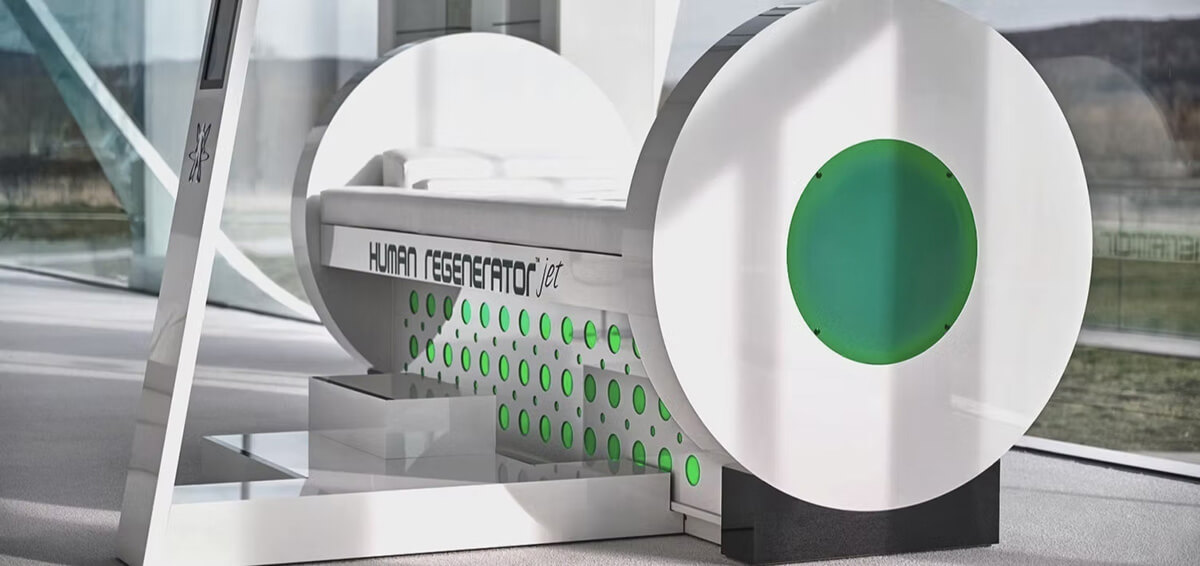
The term Human Regenerator refers to a full-body wellbeing device that uses Cold Atmospheric Plasma (CAP) to generate a plasma field around the body.
Unlike medical technologies, its goal is not to diagnose or treat clinical conditions but to promote sensations of relaxation, stress relief, and perceived recovery.
- It acts on the whole body (or large body areas) rather than targeting a specific point.
- It’s a non-invasive technology — it doesn’t introduce substances or apply heat.
- The focus is on subjective wellbeing enhancement, not medical therapy replacement.
How the Human Regenerator Works (General Technical Level)
To understand how the Human Regenerator operates, it helps to first grasp the basics of plasma and how this type of energy interacts with the body.
Basic Principles of Cold Atmospheric Plasma (CAP)
Plasma is a partially ionized gas containing free electrons, ions, reactive species (radicals), excited molecules, and local electric fields.
In particular, Cold Atmospheric Plasma is generated at atmospheric pressure and near room temperature, avoiding thermal damage to tissues.
Within this plasma, reactive oxygen and nitrogen species (ROS and RNS) are formed. These can interact with biological surfaces, modulate redox signaling, and influence cellular microenvironments.
The MDPI article “The Promising Potential of Cold Atmospheric Plasma Therapies” reviews biomedical applications of CAP, highlighting that this technology can promote tissue regeneration, controlled cell proliferation, and antimicrobial effects when applied under proper parameters (MDPI, 2024).
While that study focuses on medical contexts (such as wound healing and microbial control), it supports the broader concept that well-controlled plasma exposure can safely modulate healthy tissues.
Application in the Human Regenerator: Interface with the Body
Within the Human Regenerator, the system creates a plasma field surrounding the body during a guided session. Key points include:
- The user lies or sits comfortably within the plasma exposure area.
- Plasma generation parameters — such as gas flow, voltage, frequency, and distance — are kept within safe, validated ranges.
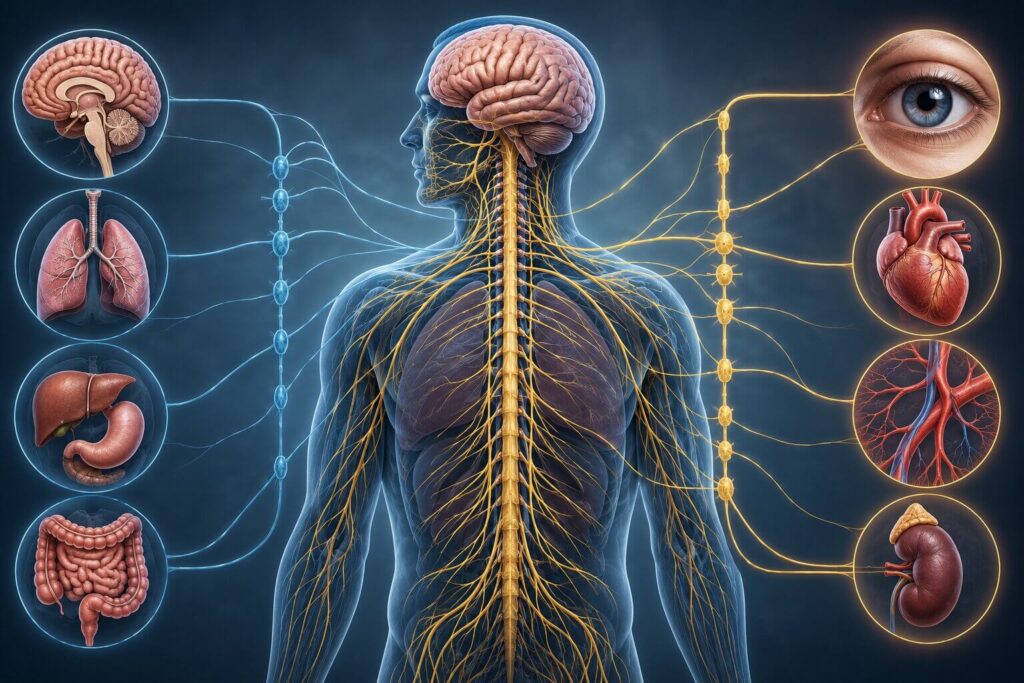
- The reactive species interact gently with the skin’s surface, producing mild redox signals, local molecular stimulation, and potentially modulating autonomic nervous system balance.
- There’s no invasive contact or noticeable heat; most users describe the experience as neutral, calm, and relaxing.
- Each session follows a structured duration, typically 20 to 40 minutes, depending on user tolerance and protocol design.
In short, the Human Regenerator applies CAP principles adapted for wellbeing — not for medical interventions, but for restorative experiences.
Expected Wellbeing Benefits of the Human Regenerator
When discussing wellbeing, it’s important to emphasize that benefits are subjective and perceived, not guaranteed or clinical. However, based on user reports and plausible mechanisms, the following effects are commonly described:
- Deep relaxation and relief from accumulated mental tension.
- Greater mental clarity, focus, and reduction of “mental noise.”
- A perceived boost of energy or post-session vitality.
- A sense of recovery after physical or mental exertion.
- Improved autonomic regulation (enhanced parasympathetic response).
- Subtle effects on the skin: softness, balanced temperature, improved texture.
- Synergistic complement to other wellbeing modalities (massage, meditation, oxygen therapy, etc.).
These are experiential perceptions rather than clinical outcomes, but they illustrate the potential of Human Regenerator sessions as a stress management and recovery tool.
What the Study “The Promising Potential of Cold Atmospheric Plasma Therapies” Says
This scientific review describes how Cold Atmospheric Plasma (CAP) has been studied for its antimicrobial, regenerative, and modulatory properties in medical settings.
- CAP has been shown to stimulate controlled cell proliferation, migration, and differentiation in wound healing and tissue repair contexts.
- The mechanisms remain complex and not yet fully understood — interactions between reactive species, exposure duration, and dose–response relationships are critical and sensitive factors.
- The challenge in medical contexts lies in balancing reactive species generation (RONS) with healthy tissue safety, preventing cytotoxicity, and maintaining precise control of the device’s parameters.
This evidence supports the scientific foundation of CAP technologies and, by extension, the conceptual basis of the Human Regenerator, though without making medical claims.
Safety, Contraindications, and Realistic Expectations
Studies on CAP for skin applications report a strong safety profile when validated parameters are respected — avoiding excessive power or prolonged exposure.
Reasonable contraindications for Human Regenerator sessions include:
- Pregnancy
- Implanted electronic devices (pacemakers, defibrillators)
- Open or unassessed wounds
- Active infections
- Photosensitivity or undiagnosed skin conditions
Mild, temporary side effects may include fatigue, slight dryness, or transient skin sensitivity.
Expectations must stay realistic: this is about subjective sensations, not medical cures or diagnoses.
Who Can Benefit from the Human Regenerator?
- Executives under high cognitive or emotional load who need to restore focus between intense days.
- Master athletes seeking perceived recovery through non-invasive methods.
- Longevity-focused individuals integrating non-invasive technologies for preventive wellbeing.
- Business travelers needing short sessions with high perceived benefit.
- Sensitive individuals who prefer gentle, non-stimulating wellness experiences.
Each profile may find unique value in Human Regenerator sessions as part of a modern, science-inspired recovery practice.
What to Expect During a Human Regenerator Session
1. Reception and Initial Assessment
A short wellbeing questionnaire is conducted, covering goals, history, and possible contraindications.
2. Explanation and Parameter Setup
The practitioner introduces the device, explains its mechanism, and calibrates safe parameters according to the user’s comfort level.
3. Guided Session
The user relaxes within the plasma field while the device operates for 20–40 minutes in a calm, climate-controlled room.
4. Post-Session and Feedback
After the session, users hydrate and record their sensations — calmness, energy, light fatigue, or physical observations.
Recommended frequency: 2–4 weeks of initial exploration, followed by personalized adjustments.
5. Follow-up and Fine-tuning
Sessions are adapted based on user feedback to optimize comfort and perceived results.
Many users describe feeling “reset” or “rebalanced” after a Human Regenerator session — a state of mental clarity and physical ease.
FAQs About the Human Regenerator
Is the Human Regenerator a medical treatment?
No. While it uses plasma principles, the Human Regenerator is a wellbeing technology focused on relaxation and perceived recovery — not for diagnosing or treating diseases.
How long does a Human Regenerator session last?
Typically between 20 and 40 minutes, depending on the protocol and individual tolerance.
Does it produce heat or discomfort?
Most users describe the experience as neutral and relaxing, without heat or pain.
How many sessions are recommended?
An initial exploratory phase of 2–4 weeks (two or three sessions per week) is suggested, then personalized based on user feedback.
Can it be combined with exercise or intense work routines?
Yes. Many users integrate Human Regenerator sessions as part of post-training or high-demand work recovery routines.
Are there any side effects?
Rare and mild — transient fatigue, dryness, or light skin sensitivity. When properly calibrated, CAP has a favorable safety record.
Who should avoid using the Human Regenerator?
Pregnant women, users with implanted electronic devices, open wounds, active infections, or undiagnosed skin conditions. A prior evaluation is always recommended.
The Human Regenerator represents a fresh, science-based approach to wellbeing, applying the principles of Cold Atmospheric Plasma in a non-medical, restorative context focused on relaxation, mental clarity, and perceived recovery.
While medical research is still evolving, scientific literature — including the MDPI review — indicates that well-regulated plasma can modulate tissues, support controlled regeneration, and influence redox signaling in a safe manner.
For those exploring non-invasive recovery and longevity tools, the Human Regenerator offers an intriguing, next-generation option to complement modern wellness practices. And soon, XtendCenter will be one of the few centers with this tecnology.