EBOO therapy (Extracorporeal Blood Oxygenation and Ozonation) has rapidly become a groundbreaking technique in integrative medicine, especially among patients seeking detoxification, improved oxygenation, and support for chronic conditions.
Unlike traditional ozone therapies, EBOO therapy offers a more potent and controlled infusion of ozone into the bloodstream, resulting in deeper cellular benefits. As recent studies from 2024–2025 show, this method is not only efficient but scientifically validated as a modern tool for systemic healing.
How EBOO Therapy Works
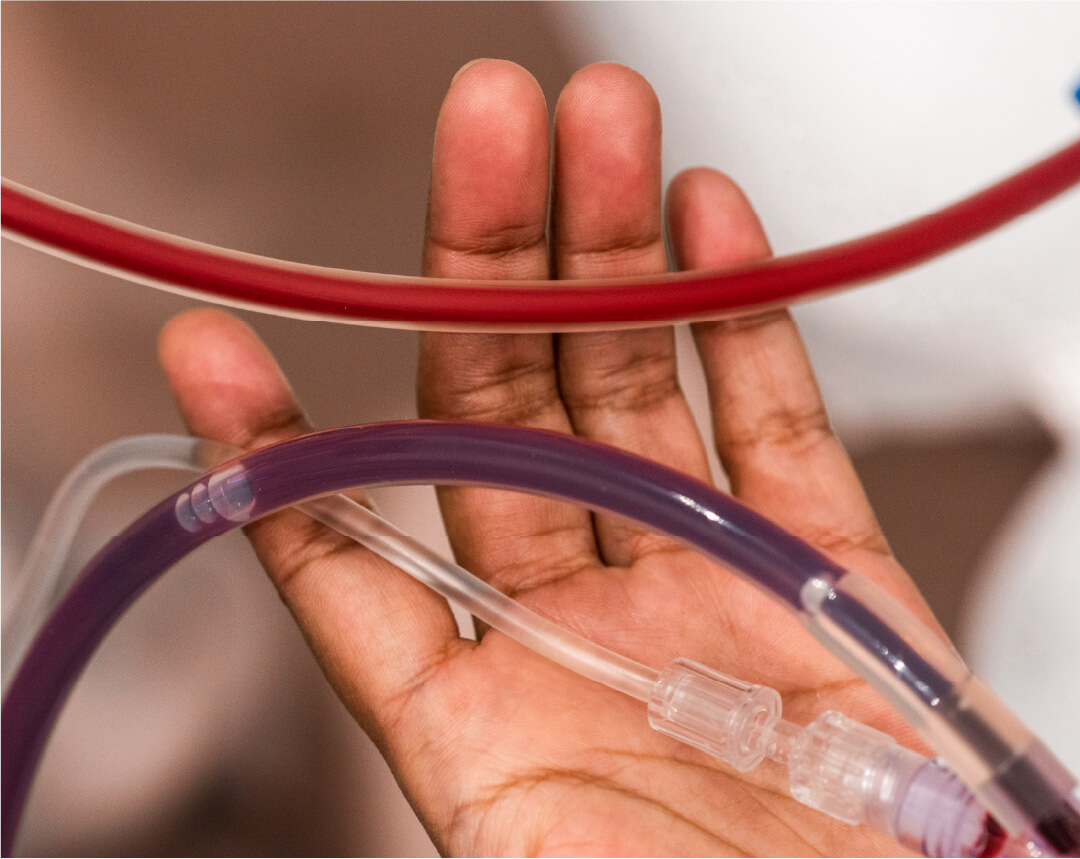
EBOO therapy is a form of intravenous ozone treatment that purifies and oxygenates the blood outside the body. Blood is withdrawn, mixed with medical-grade ozone and oxygen, filtered through a dialysis-like system to remove waste products, and then reintroduced into the body.
This closed-circuit process can deliver up to three to five times more ozone compared to other intravenous methods like MAH (Major Autohemotherapy).
The controlled application of ozone during EBOO treatment reduces oxidative stress, improves mitochondrial function, and increases the body’s capacity to regenerate at the cellular level.
Five Key Benefits of EBOO Therapy Backed by Studies (2024–2025)
1. Deep Detoxification
Unlike standard ozone therapy, EBOO therapy actively filters blood, removing metabolic waste, heavy metals, and other toxins. This supports liver and kidney function and improves overall biochemical balance.
2. Cellular Oxygenation
By enhancing oxygen delivery to tissues, EBOO therapy combats hypoxia, improves endurance, and aids recovery. It’s increasingly used by athletes and individuals with chronic fatigue syndrome.
3. Inflammation Reduction
A recent NIH-backed study demonstrated that ozone can decrease levels of pro-inflammatory biomarkers such as CRP and TNF-α, making EBOO a valuable therapy in systemic inflammatory conditions.
4. Cardiovascular Support
Emerging protocols in 2025 explore EBOO’s role in improving circulation, reducing arterial stiffness, and supporting endothelial function. Clinics in Europe and the U.S. have started integrating it as a supportive therapy for patients with early-stage cardiovascular disease.
5. Immune System Modulation
EBOO therapy balances immune response by stimulating antioxidant enzymes and reducing chronic oxidative stress. This is particularly beneficial for patients with autoimmune disorders or chronic viral infections.
EBOO Therapy vs. Conventional Ozone Treatments
The main distinction between EBOO therapy and other ozone modalities like MAH or rectal insufflation is the volume of blood treated and method of filtration. While MAH treats about 200ml of blood per session, EBOO processes 1.5 to 3 liters per treatment, offering a more systemic approach. According to Linna Clinic, EBOO is also gentler on red blood cells and ideal for long-term protocols.
Debunking Common Myths About Blood Ozone Therapy
Many patients are hesitant about ozone therapy due to misconceptions. Let’s clarify a few:
- Myth: Ozone is toxic and unsafe.
- Reality: Medical-grade ozone used in EBOO therapy is carefully dosed and administered under clinical supervision. It is not inhaled but infused intravenously in controlled amounts.
- Reality: Medical-grade ozone used in EBOO therapy is carefully dosed and administered under clinical supervision. It is not inhaled but infused intravenously in controlled amounts.
- Myth: All ozone therapies are the same.
- Reality: EBOO therapy stands out for its continuous filtration and high-volume treatment capacity.
- Reality: EBOO therapy stands out for its continuous filtration and high-volume treatment capacity.
What to Expect During Your First EBOO Therapy Session
Patients often ask:
- Is it painful?
- No, the procedure is similar to dialysis or a slow IV drip.
- No, the procedure is similar to dialysis or a slow IV drip.
- How long does it take?
- A typical EBOO session lasts between 45 and 90 minutes.
- A typical EBOO session lasts between 45 and 90 minutes.
- Are there side effects?
- Some report mild fatigue or flu-like symptoms initially, which usually subside quickly.
- Some report mild fatigue or flu-like symptoms initially, which usually subside quickly.
- How many sessions are needed?
- This varies. For general detox, 3–5 sessions may suffice. Chronic conditions may require ongoing protocols.
- This varies. For general detox, 3–5 sessions may suffice. Chronic conditions may require ongoing protocols.
Nutrition and Lifestyle to Maximize EBOO Therapy Results
To enhance outcomes of EBOO therapy, it is recommended to:
- Stay well-hydrated pre and post-session
- Follow an anti-inflammatory diet rich in antioxidants (leafy greens, omega-3s, berries)
- Avoid alcohol, processed sugars, and refined oils for 48 hours post-treatment
- Supplement with glutathione or NAC to support detox pathways (always consult your doctor)
Lifestyle synergy enhances cellular healing, making your EBOO results more profound and long-lasting.
Emerging Medical Uses: EBOO in Cardiovascular Health and Inflammation
Clinics worldwide are investigating EBOO therapy for:
- Atherosclerosis: Improving arterial flexibility and reducing plaque buildup
- Autoimmune regulation: Supporting balance in immune overactivity
- Chronic infections: Such as Lyme or Epstein-Barr, where oxidative therapies may disrupt viral replication
The European Journal of Medical Research also highlights ozone’s expanding role in musculoskeletal medicine.
Legal Framework and Availability
As of 2025, Panama has simplified the regulatory framework for alternative therapies under Decree 2-2025, creating opportunities for clinics offering ozone-based treatments.
Why EBOO Therapy Deserves Attention
From detoxification to inflammation control, EBOO therapy is redefining what we expect from ozone treatments. Its scientifically supported benefits, capacity to treat large volumes of blood, and safety profile make it an exciting development in integrative and regenerative medicine.
Key Considerations About EBOO Therapy
- EBOO therapy is an advanced ozone-based technique that allows larger volumes of blood to be treated in a controlled environment.
- Its approach combines oxygenation, filtration, and ozonation, making it different from more traditional ozone therapies.
- It is currently used as a supportive therapy in wellness, inflammation, and metabolic optimization protocols under medical supervision.
- While promising, clinical evidence is still evolving, and results may vary depending on each patient.
- At Xtend Center, each EBOO therapy protocol is personalized based on individual health status, goals, and medical evaluation.
Frequently Asked Questions About EBOO Therapy
Is EBOO therapy safe?
EBOO therapy is generally considered safe when performed in a controlled medical setting by trained professionals. It uses medical-grade ozone and a closed-loop system designed to monitor and regulate the treatment process.
Does EBOO therapy detox your blood?
EBOO therapy includes a filtration process that may help remove certain metabolic waste from the blood. It is often described as a detox-support therapy, although its effects can vary depending on individual health conditions.
How many EBOO therapy sessions are needed?
The number of EBOO therapy sessions varies depending on the patient’s goals and condition. Some individuals may benefit from a few sessions, while others may follow longer-term protocols under medical guidance.
What makes EBOO therapy different from other ozone treatments?
EBOO therapy processes a larger volume of blood and includes a filtration system, which makes it different from traditional ozone therapies such as MAH. This allows for a more systemic approach under controlled conditions.
Who is a good candidate for EBOO therapy?
EBOO therapy may be considered by individuals seeking support for detoxification, inflammation, or general wellness optimization. A medical evaluation is always required to determine if this therapy is appropriate for each patient.
For those looking to optimize their health from the inside out, EBOO may just be the most promising path forward. You can contact Xtend Center.